Who we are.

Join the fight against pancreatic cancer! The 2015 Pancreatic Cancer Research Walk is Sunday, November 1st at Sloan's Lake Park, Denver, CO.

All the money raised goes directly to pancreatic cancer research thanks to the Lustgarten Foundation!

Friday, January 06, 2012

Chile Pepper: Cancer Can't Stand the Heat

By Lindsey Garner, MD Anderson Staff Writer

chilis.jpgSpices have been used for centuries as a preserving agent and to add flavor and color to food. Now, spices are emerging as a possible therapy to prevent and treat diseases -- even cancer.

Chile pepper, a customary spice used in Texas and the southwest, has shown anti-cancer effects in research with mice. Capsaicin, the active ingredient in chile pepper and the source of its heat, is the cancer-fighting element.

Capsaicin is also thought to:
  • Boost metabolism
  • Lower the risk of ulcers
  • Improve heart health
  • Relieve muscle pain and itchiness
Research is promising
Bharat Aggarwal, Ph.D., professor in the Department of Experimental Therapeutics, has spent more than 20 years researching spices at MD Anderson.

Led by Aggarwal, research using capsaicin nutraceuticals (supplements) in mice resulted in suppressing and blocking pro-inflammatory pathways in cancer cells.

"Inflammation has turned out to be a common denominator," Aggarwal says. "Symptoms common in cancer patients, such as depression, fatigue, neuropathic pain, metastases and tumor growth, are due to inflammation. By using capsaicin, we can inhibit these things."

Thursday, January 05, 2012

Cinnamon: Common Spice Takes a Stand Against Cancer

By Lindsey Garner, MD Anderson Staff Writer

cinnamin.jpgCinnamon, a spice found in kitchens across the country, has shown promise in preventing and treating cancer.

Stopping cancer in its tracks

Bharat Aggarwal, Ph.D., professor in MD Anderson's Department of Experimental Therapeutics, led a 2009 review of 41 common dietary spices and how they impact the various phases of tumorigenesis, the formation of tumors.

Aggarwal's study showed that many spices, including cinnamon, are promising preventive and treatment agents for cancer. Cinnamon nutraceuticals, part of a food that provides medical or health benefits, were given to mice. Results showed that they inhibited multiple pro-inflammatory pathways in cancer cells.

Inhibiting inflammation is key. It is linked to the formation and spread of cancer.

Recent study gives hope

In a 2010 study, researchers at the School of Life Sciences and Immune Synapse Research Center at the Gwangju Institute of Science and Technology in the Republic of Korea tested cinnamon's anti-tumor effects.

Wednesday, January 04, 2012

Health Apps: Not All Created Equal

By Laura Nathan-Garner, MD Anderson Staff Writer

iphone.jpgDo you use a smartphone or tablet to manage everything in your life -- even your health?

Well, you're not alone. A growing number of people are downloading health apps to help with everything from weight loss to quitting smoking.

But if you're like me, there's a good chance you don't end up using most of the health apps you download -- at least not regularly. That's not surprising, say our health technology experts.

"Many companies are in such a hurry to sell their app that they don't conduct a study to see if users will adopt real, lasting change," says Alexander Prokhorov, M.D., Ph.D., director of MD Anderson's e-Health Technology Program and professor in the Department of Behavioral Science.

Here's some good news, though. There are some effective health apps out there -- if you know what to look for.

Tuesday, January 03, 2012

Q&A: Pancreatic Cancer and Obesity

Recent research at M. D. Anderson shows that obesity is a risk factor for pancreatic cancer, and being overweight may play a role in the outcomes of people who develop the disease.

Donghui Li, Ph.D., professor in M. D. Anderson's Department of Gastrointestinal Medical Oncology and the study's senior author, answers questions about this landmark investigation.

What inspired you to do this study?
We know obesity is a risk factor for pancreatic cancer, but few studies have looked at body mass index (BMI) throughout a patient's lifetime rather than just when they are adults or the year they are diagnosed. We wanted to show the relationship between BMI and the risk of developing pancreatic cancer across a patient's life span and determine if being overweight in a specific time period raised that risk.

Also, we were curious about the links among BMI, cancer occurrence and overall survival.
Why is this study important?

Pancreatic cancer is one of the most dangerous types of cancer. It's the fourth leading cause of cancer death in men and women in this country. Median survival is less than 10 months, and the five-year survival rate is less than 5%.

Obesity and smoking are known risk factors for the disease, and while smoking is on the decline, obesity is increasing.

This study helps us understand the cause-and-effect relationship between obesity and pancreatic cancer, and we hope it will help identify high-risk people and specific ways to prevent them from getting the disease.

What were the research methods?
First, we enrolled 1,595 people:
•    841 pancreatic cancer patients treated at M. D. Anderson from 2004 to 2008
•    754 cancer-free people

We interviewed each person about his or her:
•    Smoking history
•    Family cancer history
•    Alcohol use
•    Medical history

Participants were asked to recall their height and body weights at 14 and 19 years old; in their 20s, 30s, 40s, 50s, 60s and 70s; and the year prior to their pancreatic cancer diagnoses or enrollment in the study.

We then calculated each person's BMI during each decade and compared the healthy patients with the pancreatic cancer patients.

Among the cancer patients, we also looked at the average age of diagnosis and the overall survival time, then compared those to their BMIs.


What were the results?
As we suspected, the research confirmed an association between obesity and pancreatic cancer.

People who were obese when they were young had a higher risk of developing pancreatic cancer than those who became overweight later in life.
For example, people who became overweight:
•    Between 14 and 19 years old had 100% increased risk
•    In their 20s had 65% increased risk
•    In their 30 had 27% increased risk

The risk of developing the disease diminished for those who gained excess weight in their 40s and later in life.

Also, we found an association between excess weight and earlier onset of pancreatic cancer. Median age at diagnosis was 64 for those at normal weight, compared to 61 and 59 for overweight and obese patients respectively.

Obesity later in life, especially within a year before a patient's cancer diagnosis, reduced overall survival time.

Did these results surprise you?
It was surprising that overweight and obese pancreatic cancer patients were diagnosed at a younger age. This underscores the impact of obesity on loss of life, especially in productive years.

What do these results mean for pancreatic cancer?
Obesity is a risk factor that can be controlled. This study shows that we should try hard to help people control their weight at an early age to reduce the risk of pancreatic cancer.

What's next?
We need to further investigate the links among obesity, pancreatic cancer and poor outcome, looking at insulin resistance as a possible mechanism.

We also will research factors, such as heredity, diet and others, that might affect the relationship between excess body weight and the disease. One day, we hope to develop ways to prevent this dangerous cancer and detect it earlier.

Related article:
After Pancreatic Cancer, 'Southern Style' Gets A Healthy Makeover

M. D. Anderson resources:

Pancreatic Cancer (M. D. Anderson)

M. D. Anderson Study Finds Even Stronger Relationship Between High Body Mass Index,
Pancreatic Cancer
(M. D. Anderson News Release)

Monday, January 02, 2012

Meat & Potato Quiz: Test Your Food IQ

Does the idea of a juicy steak and fully loaded baked potato make your mouth water and tummy growl? Well, we've got the perfect quiz for you.

Answer the questions below to test your knowledge on the "the meat and potatoes" behind red meat and cancer risk.

1. How much red meat should a person eat?

a. You shouldn't eat any red meat -- no amount is safe.
b. You can eat as much red meat as you like as long as you eat it before 6:00 p.m.
c. You shouldn't eat more than three, six-ounce (cooked) servings of red meat per week.

2. What does eating red meat have to do with cancer?

a. Red meat contains substances that have been linked to colorectal cancer.
b. People who eat red meat every day are less likely to get cancer.
c. There's no connection between red meat and cancer.

3. Are there any healthy red meat or beef options?

Sunday, January 01, 2012

New Year’s 2012: Celebrations Around the World!


Even when faced with cancer, it's important to take time and celebrate the moments.  Below you can see how the New Year was celebrated around the world.

Revelers erupted in cheers around the world to welcome in the new year, as star-studded celebrations and glittering fireworks displays ushered in 2012.

The first worldwide celebrations started in the island nation of Samoa, which hopped across the international date line at midnight on Thursday, skipping Friday and moving instantly to Saturday.
In Sydney, more than 1.5 million people watched the shimmering pyrotechnic display designed around the theme “Time to Dream.”

In London, some 250,000 people gathered to listen to Big Ben chime at the stroke of midnight. In New York, hundreds of thousands gathered at the crossroads of the world to witness a crystal ball with more than 30,000 lights descend at midnight. Fireworks soared and sparked over Moscow’s Red Square and crowds on Paris’ Champs-Elysees boulevard popped Champagne corks at midnight.

11 New Years 2012: Celebrations Around the World!
Fireworks explode over the Sydney Harbour Bridge and Opera House to celebrate the new year. (Daniel Munoz/Reuters)

2 New Years 2012: Celebrations Around the World!
Benny Benassi New Years Eve. (Reuters)

3 New Years 2012: Celebrations Around the World!
Fireworks explode over the Sydney Harbour Bridge and Opera House to celebrate the new year. (Daniel Munoz/Reuters)

4 New Years 2012: Celebrations Around the World!
Tens of thousands of people gather on Red Square in Moscow to celebrate the new year and view the fireworks as the clock on the Kremlin’s Spassky Tower, right, strikes midnight. (Mikhail Metzel/Associated Press)
5 New Years 2012: Celebrations Around the World!
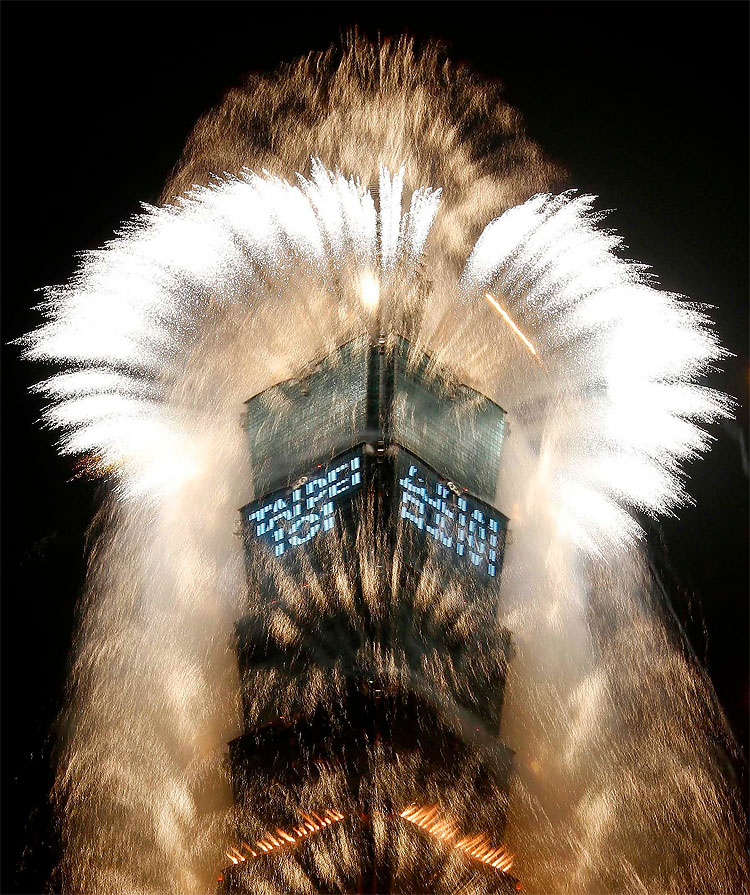
Fireworks explode from Taiwan’s tallest skyscraper, Taipei 101, during New Year celebrations in Taipei. (Shengfa Lin/Reuters)

6 New Years 2012: Celebrations Around the World!
A giant dragon lantern is displayed to celebrate the New Year near the border village of Panmunjom (DMZ) that separates the two Koreas, at Imjingak Pavilion in Paju, South Korea. The year 2012 is celebrated as the year of the dragon on the Chinese lunar calendar. (Ahn Young-joon/Associated Press).

7 New Years 2012: Celebrations Around the World!
Fireworks light the sky above the Quadriga at the Brandenburg Gate in Berlin. (Michael Sohn/Associated Press)

8 New Years 2012: Celebrations Around the World!
Fireworks light the sky above the Quadriga at the Brandenburg Gate in Berlin. (Michael Sohn/Associated Press)
9 New Years 2012: Celebrations Around the World!
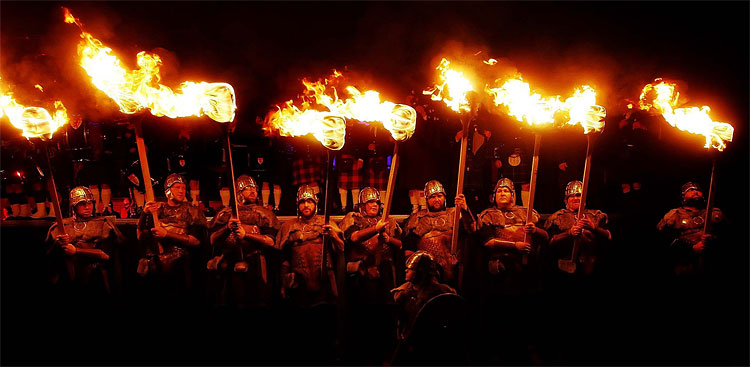
Thousands of people joined in with revelers who carried torches in a procession through Edinburgh, which was led by Up Helly Aa Vikings and marked the start of Edinburgh’s Hogmanay celebrations. Up Helly Aa refers to any of a variety of the annual fire festivals held in Scotland in the middle of winter to mark the new year and end of the yule season. (Danny Lawson/Press Association/Associated Press)
10 New Years 2012: Celebrations Around the World!
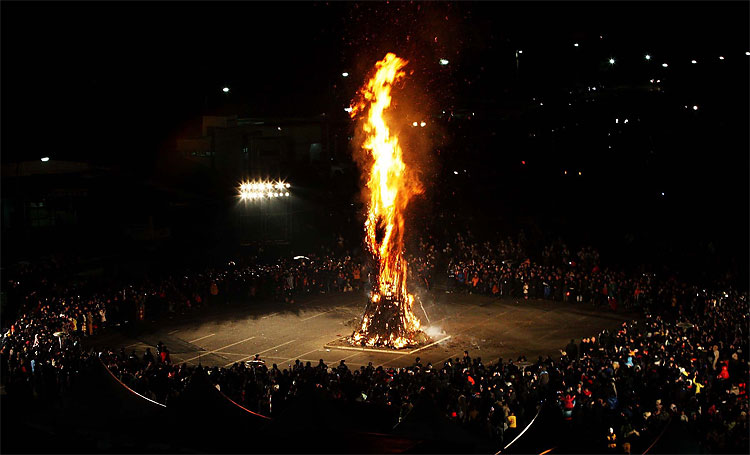
South Koreans view the burning of Daljips, a wooden hut built on top of a hill, to celebrate the New Year near the border village of Panmunjom (DMZ) that separates the two Koreas. (Ahn Young-joon/Associated Press)

111 New Years 2012: Celebrations Around the World!
Fireworks explode over Bucharest, Romania at midnight during street celebrations of the new year. (Vadim Ghirda/Associated Press)

121 New Years 2012: Celebrations Around the World!
Fireworks explode over Acropolis Hill and the Parthenon during New Year’s celebrations in Athens, Greece. (Petros Giannakouris/Associated Press)

13 New Years 2012: Celebrations Around the World!
Jessica Ong from Singapore starts her new year celebrations early on New Year’s Eve, at the Hogmanay street party on Princes Street, Edinburgh, Scotland. (David Cheskin/PA)

14 New Years 2012: Celebrations Around the World!
Fireworks light the sky above Cathedral Square in Vilnius, Lithuania. (Mindaugas Kulbis/Associated Press)

15 New Years 2012: Celebrations Around the World!
Mira Avenue, the city’s main street, is illuminated with festive lights in the Siberian city of Krasnoyarsk. (Ilya Naymushin/Reuters)

16 New Years 2012: Celebrations Around the World!
Visitors are showered by confetti as they celebrate a light show at the Temple of Heaven during the New Year Countdown Ceremony in Beijing. (Andy Wong/Sssociated Press)

17 New Years 2012: Celebrations Around the World!
Confetti is dropped on revelers during New Year’s Eve celebrations in Times Square. (Gary Hershorn/Reuters)

19 New Years 2012: Celebrations Around the World!
Patty Pique, of Jackson, Tennessee, celebrates New Year’s Eve at Peach Drop 2012 at Underground Atlanta. (Atlanta Journal-Constitution)
20 New Years 2012: Celebrations Around the World!
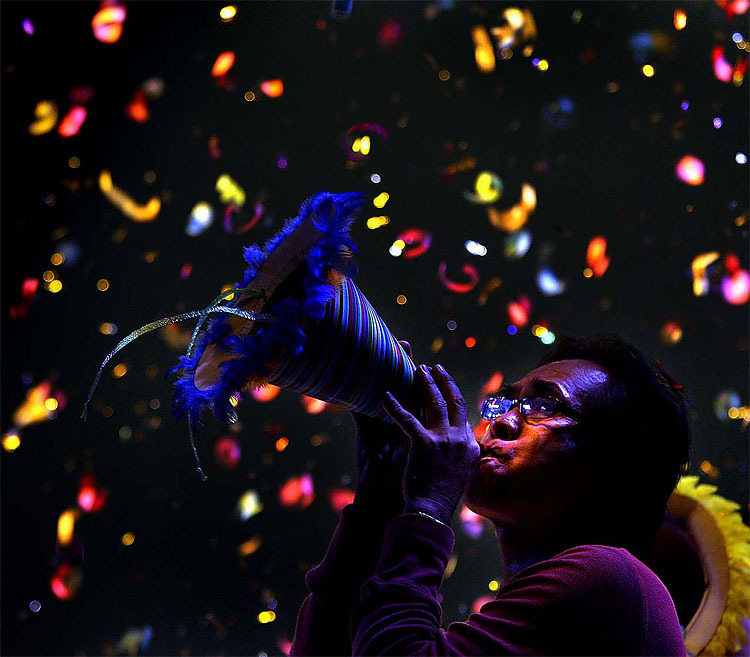
Confetti drops as a Filipino blows his paper horn to welcome the New Year in Manila. (AP)

21 New Years 2012: Celebrations Around the World!
Justin Bieber performs during New Year’s Eve celebrations at Times Square. (Eduardo Munoz/Reuters)
22 New Years 2012: Celebrations Around the World!
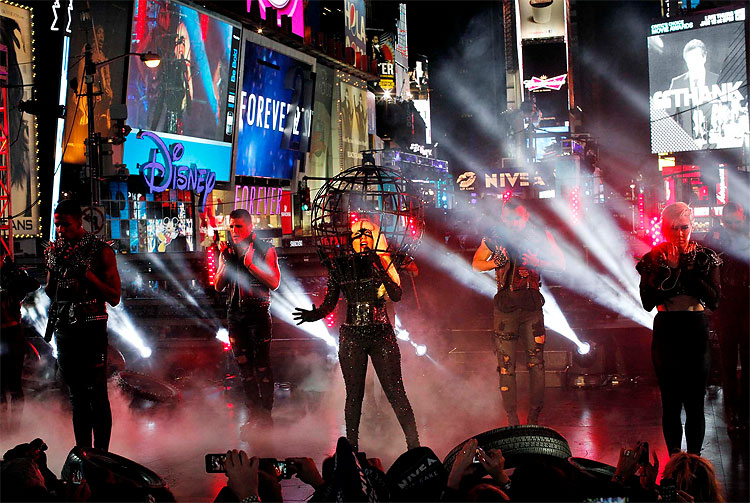
Lady Gaga performs during New Year’s Eve celebrations at Times Square. (Eduardo Munoz/Reuters)

23 New Years 2012: Celebrations Around the World!
Fireworks explode over the Giant Ferris Wheel (Wiener Riesenrad) at Prater park during New Year celebrations in Vienna, Austria. (Lisi Niesner/Reuters)
24 New Years 2012: Celebrations Around the World!
New Year’s fireworks explode around the London Eye. (Andrew Winning/Reuters)

25 New Years 2012: Celebrations Around the World!
Fireworks explode over the Houses of Parliament, including St Stephen’s Tower, which holds the bell known as Big Ben, as London celebrates the arrival of New Year’s Day. (Alastair Grant/Associated Press)

26 New Years 2012: Celebrations Around the World!
Fireworks explode during New Year’s celebrations in downtown Beirut, Lebanon. (Bilal Hussein/Associated Press)

27 New Years 2012: Celebrations Around the World!
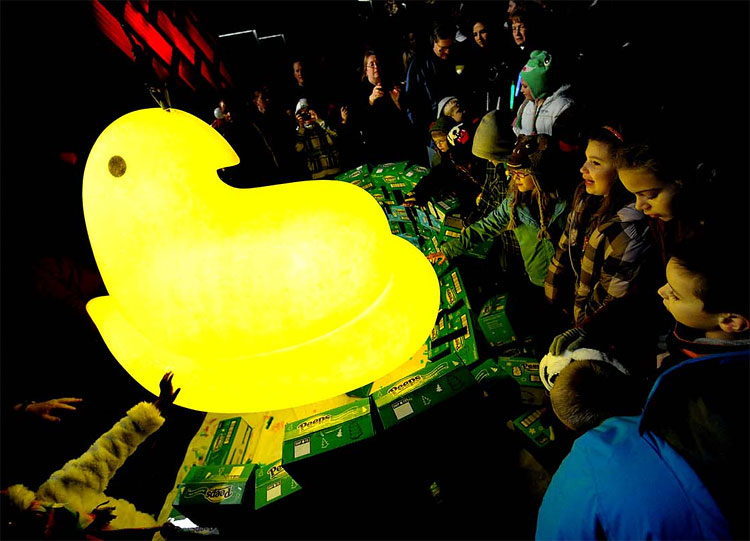
Children gather around a large Peep after it was dropped during a New Year’s Eve celebration at the Levitt Pavillion on the Steelstacks Campus in Bethlehem, Pennsylvania. (Matt Smith/Express-Times)
28 New Years 2012: Celebrations Around the World!
Children gather around a large Peep after it was dropped during a New Year’s Eve celebration at the Levitt Pavillion on the Steelstacks Campus in Bethlehem, Pennsylvania. (Matt Smith/Express-Times)

29 New Years 2012: Celebrations Around the World!
Duval Street in Key West is packed with New Year’s Eve revelers as female impersonator Gary Marion, as “Sushi,” is lowered at the Bourbon Street Pub complex. (Andy Newman/Florida Keys News Bureau)

30 New Years 2012: Celebrations Around the World!
Female impersonator Gary Marion, as “Sushi,” dangles high above New Year’s Eve revelers in Key West. The Red Shoe Drop is a Key West tradition to celebrate the arrival of the New Year. (Andy Newman/Florida Keys News Bureau)

31 New Years 2012: Celebrations Around the World!
Revelers ring in the new year in Times Square in New York. (Eric Michael Johnson/The New York Times)

32 New Years 2012: Celebrations Around the World!
Fireworks explode over the coastal city of Vina del Mar, Chile. (Eliseo Fernandez/Reuters)

33 New Years 2012: Celebrations Around the World!
Fireworks burst over the Las Vegas Strip. (Darrin Bush/Las Vegas News Bureau)

34 New Years 2012: Celebrations Around the World!
Filipinos watch a fireworks display as they welcome the New Year at Manila’s Rizal Park. (Aaron Favila/Associated Press)

35 New Years 2012: Celebrations Around the World!
People watch fireworks as they welcome the New Year at Constitution Square in Warsaw, Poland. (Alik Keplicz/Associated Press)

36 New Years 2012: Celebrations Around the World!
Fireworks explode shortly after midnight during New Year’s celebrations in Skopje, Macedonia. (Boris Grdanoski/Associated Press)
37 New Years 2012: Celebrations Around the World!
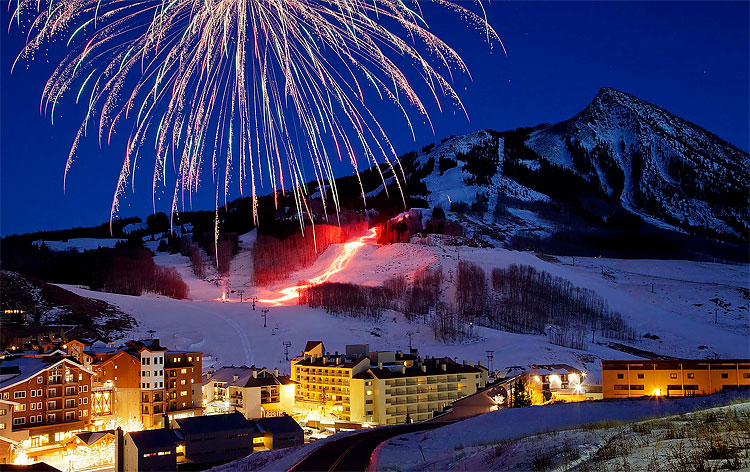
Fireworks explode over Crested Butte Mountain in Colorado. (Nathan Bilow/Associated Press)

38 New Years 2012: Celebrations Around the World!
A man dressed as Ded Moroz (Grandfather Frost or Father Frost) talks with a girl on the subway in Moscow. Ded Moroz is a fictional character who in some Slavic cultures plays a role similar to that of Santa Claus. Ded Moroz is said to bring presents to children that are often delivered “in person” at New Year’s Eve parties and other New Year celebrations. (Mikhail Metzel/Associated Press)
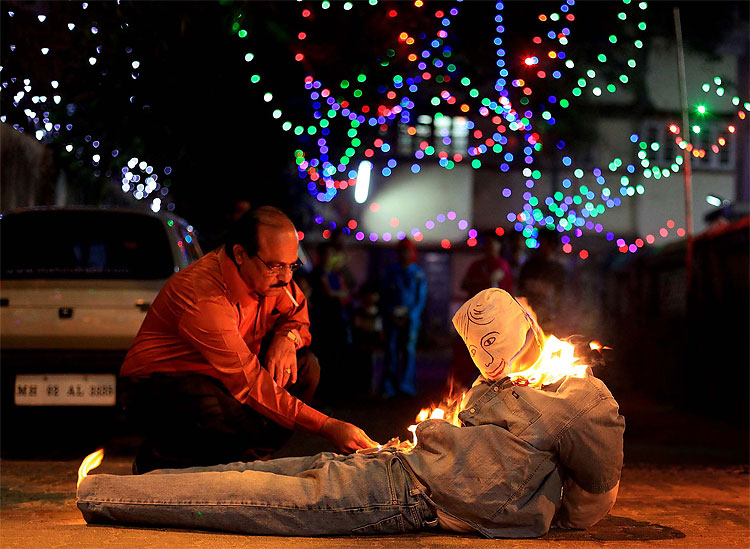
39 New Years 2012: Celebrations Around the World!
A man lights an Old Man effigy which symbolizes burning the past and getting ready to start a happy New Year without bad memories of the past, in Mumbai, India. (Rafiq Maqbool/Associated Press)

40 New Years 2012: Celebrations Around the World!
Spectators at Gas Works Park watch fireworks light up the iconic Space Needle as the new year begins in Seattle. (Joshua Trujillo/seattlepi.com)

41 New Years 2012: Celebrations Around the World!
Revelers celebrate the new year in Hong Kong’s Times Square. (Kin Cheung/Associated Press)

http://designyoutrust.com/2012/01/01/new-years-2012-celebrations-around-the-world/

Happy New Year!

Best wishes for 2012 
from The Lustgarten Foundation 
and all the Colorado volunteers.

Thank you for your support this year!


Saturday, December 31, 2011

New Year's Eve Fireworks Downtown Denver

December 31, 2011

The sky will once again sparkle over the 16th Street Mall this New Year’s Eve with the New Year’s Eve Fireworks Downtown, presented by the Downtown Denver Partnership. Co-sponsors of the display are VISIT DENVER and the Downtown Denver Business Improvement District. As part of the Partnership’s Winter in the City program, the two spectacular fireworks shows will occur at 9 p.m. and Midnight, taking place simultaneously at two undisclosed sites along the 16th Street Mall. It is recommended that viewers stand along the 16th Street Mall for optimal viewing.             

Friday, December 30, 2011

Gene identified that increases pancreatic cancer risk


Thursday 29th December 2011

Gene identified that increases pancreatic cancer risk

Doctors and those in biomedical science jobs have been looking for new ways of identifying the spread of cancer through the body and now researchers believe they have found a gene that increases the risk of pancreatic cancer.

It is thought that mutations in the ATM gene can raise the chance of the deadly disease being passed on through a family. Having a better knowledge of how the gene works will give doctors a better chance of spotting it at the screening stage. Many doctors use endoscopy as a screening tool for pancreatic cancer, but researchers are still evaluating this technique in clinical trials.

Pancreatic cancer is one of the deadliest strains of the disease, with less than five per cent of people diagnosed with the condition surviving. While many strains of cancer now have an improved survival rate, the pancreatic branch of the disease has remained the same and, according the NHS, figures give the patient two to three months to live once diagnosed. Approximately ten per cent of patients come from families with multiple cases of pancreatic cancer.

The team at the Sidney Kimmel Comprehensive Cancer Centre in Philadelphia used next-generation sequencing, including whole genome and whole exome analyses, and identified ATM gene mutations in two samples which had been passed through the family.

When the initial findings were examined in a large series for patients, ATM mutations were present in four of 166 subjects with pancreatic cancer but were absent in 190 of the close family.

Alison Klein, Ph.D., lead author and associate professor of oncology at the centre, said: "There was significant reason to believe this clustering was due to genetics, but we had not, to this point, been able to find the causative genes that explained the cluster of pancreatic cancer for a majority of these families."

Written by Angela NewburyADNFCR-1780-ID-801251686-ADNFCR
http://www.mediplacements.com/article-801251686-gene_identified_that_increases.html

New Years Traditions

Auld Lang Syne

The most commonly sung song for English-speakers on New Year's eve, "Auld Lang Syne" is an old Scottish song that was first published by the poet Robert Burns in the 1796 edition of the book, Scots Musical Museum. Burns transcribed it (and made some refinements to the lyrics) after he heard it sung by an old man from the Ayrshire area of Scotland, Burns's homeland.

It is often remarked that "Auld Lang Syne" is one of the most popular songs that nobody knows the lyrics to. "Auld Lang Syne" literally translates as "old long since" and means "times gone by." The song asks whether old friends and times will be forgotten and promises to remember people of the past with fondness, "For auld lang syne, we'll tak a cup o' kindness yet."

The lesser known verses continue this theme, lamenting how friends who once used to "run about the braes,/ And pou'd the gowans fine" (run about the hills and pulled up the daisies) and "paidl'd in the burn/Frae morning sun till dine" (paddled in the stream from morning to dusk) have become divided by time and distance—"seas between us braid hae roar'd" (broad seas have roared between us). Yet there is always time for old friends to get together—if not in person then in memory—and "tak a right guid-willie waught" (a good-will drink).

But it was bandleader Guy Lombardo, and not Robert Burns, who popularized the song and turned it into a New Year's tradition. Lombardo first heard "Auld Lang Syne" in his hometown of London, Ontario, where it was sung by Scottish immigrants. When he and his brothers formed the famous dance band, Guy Lombardo and His Royal Canadians, the song became one of their standards. Lombardo played the song at midnight at a New Year's eve party at the Roosevelt Hotel in New York City in 1929, and a tradition was born. After that, Lombardo's version of the song was played every New Year's eve from the 1930s until 1976 at the Waldorf Astoria. In the first years it was broadcast on radio, and then on television. The song became such a New Year's tradition that "Life magazine wrote that if Lombardo failed to play 'Auld Lang Syne,' the American public would not believe that the new year had really arrived."

Hogmanay (Scotland)

The birthplace of "Auld Lang Syne" is also the home of Hogmanay (hog-mah-NAY), the rousing Scottish New Year's celebration (the origins of the name are obscure). One of the traditions is "first-footing." Shortly after midnight on New Year's eve, neighbors pay visits to each other and impart New Year's wishes.

Traditionally, First foots used to bring along a gift of coal for the fire, or shortbread. It is considered especially lucky if a tall, dark, and handsome man is the first to enter your house after the new year is rung in. The Edinburgh Hogmanay celebration is the largest in the country, and consists of an all-night street party (visit their Hagmanay website here).

Oshogatsu (Japan)

The new year is the most important holiday in Japan, and is a symbol of renewal. In December, various Bonenkai or "forget-the-year parties" are held to bid farewell to the problems and concerns of the past year and prepare for a new beginning. Misunderstandings and grudges are forgiven and houses are scrubbed. At midnight on Dec. 31, Buddhist temples strike their gongs 108 times, in a effort to expel 108 types of human weakness. New Year's day itself is a day of joy and no work is to be done. Children receive otoshidamas, small gifts with money inside. Sending New Year's cards is a popular tradition—if postmarked by a certain date, the Japanese post office guarantees delivery of all New Year's cards on Jan. 1.

Spain

The Spanish ritual on New Year's eve is to eat twelve grapes at midnight. The tradition is meant to secure twelve happy months in the coming year.

The Netherlands

The Dutch burn bonfires of Christmas trees on the street and launch fireworks. The fires are meant to purge the old and welcome the new.

Greece

In Greece, New Year's day is also the Festival of St. Basil, one of the founders of the Greek Orthodox Church. One of the traditional foods served is Vassilopitta, or St Basil's cake. A silver or gold coin is baked inside the cake. Whoever finds the coin in their piece of cake will be especially lucky during the coming year.

United States

Probably the most famous tradition in the United States is the dropping of the New Year ball in Times Square, New York City, at 11:59 P.M. Thousands gather to watch the ball make its one-minute descent, arriving exactly at midnight. The tradition first began in 1907. The original ball was made of iron and wood; the current ball is made of Waterford Crystal, weighs 1,070 pounds, and is six feet in diameter.

A traditional southern New Year's dish is Hoppin' John—black eyed peas and ham hocks. An old saying goes, "Eat peas on New Year's day to have plenty of everything the rest of the year."

Another American tradition is the Rose Bowl in Pasadena, California. The Tournament of Roses parade that precedes the football game on New Year's day is made up of elaborate and inventive floats. The first parade was held in 1886.

Widely Observed New Year Symbols and Traditions

Resolutions: It is believed that the Babylonians were the first to make New Year's resolutions, and people all over the world have been breaking them ever since. The early Christians believed the first day of the new year should be spent reflecting on past mistakes and resolving to improve oneself in the new year.

Fireworks: Noisemaking and fireworks on New Year's eve is believed to have originated in ancient times, when noise and fire were thought to dispel evil spirits and bring good luck. The Chinese are credited with inventing fireworks and use them to spectacular effect in their New Year's celebrations.
For more New Year's features see the History of New Year and Saying “Happy New Year!” Around the World.

Thursday, December 29, 2011


 Thank You!

Your participation in The Lustgarten Foundation's 2011 Pancreatic Cancer Research Walk Series helped us raise a grand total of $3,337,774 from the 2011 walks/runs. Since Pancreatic Cancer Research Walks were established in 2001, these events have raised $16,108,514!

On hundred percent of the funds raised will go directly to Pancreatic Cancer research. It is only through research that we will find a cure. The Lustgarten Foundation has provided $38 million in research funding, which has resulted in identifying genes that cause this cancer, developed technologies to distinguish between harmless cysts and these that may become malignant, and continues to support new therapies that have shown a significant improvement in the average survival time.

This progress would not be possible without your support and participation. We thank you again and look forward to seeing you in 2012!

We wish you and your loved ones a healthy and happy New Year.


100% of donations will go directly to pancreatic cancer research. Cablevision Systems Corporation underwrites all of The Lustgarten Foundation's administrative expenses to ensure that 100% of every donation goes directly to pancreatic cancer research.

Is there a relationship between Gluten & Cancer?

A striking association is that celiac disease predisposes patients to the eventual development of lymphoma and other cancers. If this relationship is re-stated as "cereal grains cause cancer," the implication is more easily understood. There is evidence that strict adherence to a gluten-free diet long term will reduce the incidence of lymphoma.
High-grade T-cell lymphomas of the small intestine are the most common neoplasms. The intestinal mucosa distant from the tumor contains T cells often of the same clone as the high-grade T-cell lymphoma. It appears that the T-cell lymphoma evolves from reactive intraepithelial lymphocytes through a low-grade lymphocytic neoplasm to a high-grade tumor.  Ulcers may appear in the jejunum and are probably part of the same disease process, occurring when the neoplastic T-cells are low grade and recognition of tumor cells in biopsies of the ulcers may be impossible. Patients with enteropathy-associated T-cell lymphoma have genetic markers - the HLA DQA1*0501, DQB1*0201 phenotype, although additional HLA-DR/DQ alleles may represent risk factors for lymphoma development. (see abstract)
Malignancy and survival in dermatitis herpetiformis: a comparison with coeliac disease.
Author Collin P; Pukkala E; Reunala T
Address Medical School, University of Tampere, Finland.
Source Gut, 1996 Apr, 38:4, 528-30
BACKGROUND--Dermatitis herpetiformis is a lifelong, gluten sensitive skin disease. Patients with dermatitis herpetiformis, similar to patients with coeliac disease not adhering to a gluten free diet, seem to have increased risk for lymphoma. AIMS--This study looked at the occurrence of malignancy and survival of patients with dermatitis herpetiformis and compared the results with those seen in patients with coeliac disease or in the general population. PATIENTS--A total of 305 adult patients with dermatitis herpetiformis diagnosed at the University Hospital of Tampere in 1970-1992 were studied. Most patients started a gluten free diet and at the end of the study 93% of the patients were adhering to the diet. A control group comprised 383 adult patients with coeliac disease, 81% of them adhered to a gluten free diet, 6% had a normal diet, and in 13% the diet history remained unknown. METHODS--The occurrence of malignant diseases and survival of the patients were assessed up to the end of 1993. Standardised incidence ratios (SIR) with 95% confidence intervals were used for the malignant diseases. The survival of the patients was compared with that of the general population. RESULTS--Thirteen (4.3%) patients with dermatitis herpetiformis developed 14 malignant disorders during the follow up (SIR 1.25; 95% confidence intervals 0.68 to 2.09). A non-Hodgkin's lymphoma occurred in four patients with dermatitis herpetiformis, significantly more than expected (SIR 10.3; 2.8-26.3). Thirteen (4.3%) patients with dermatitis herpetiformis died during the follow up but there was no increased general mortality. In coeliac disease, 13 (3.4%) patients developed malignancy (SIR 1.16; 0.62 to 1.97), 31 (8.1%) patients died but the survival rate did not differ from that in the general population. CONCLUSIONS--The incidence of non-Hodgkin's lymphoma was significantly increased in patients with dermatitis herpetiformis. The results also confirm that the patients with dermatitis herpetiformis treated mainly with a gluten free diet have no increased general mortality.

Protective effect of gluten-free diet against development of lymphoma in dermatitis herpetiformis.

Author Lewis HM; Renaula TL; Garioch JJ; Leonard JN; Fry JS; Collin P; Evans D; Fry L
Source Br J Dermatol, 1996 Sep, 135:3, 363-7
Abstract A retrospective study of 487 patients with dermatitis herpetiformis showed that lymphoma developed in eight patients, the expected incidence being 0.21 (standardized registration ratio 3810). All lymphomas occurred in patients whose dermatitis herpetiformis had been controlled without a gluten-free diet (GFD) or in those who had been treated with a GFD for less than 5 years. The results are suggestive of a protective role for a GFD against lymphoma in dermatitis herpetiformis and give further support for advising patients to adhere to a strict GFD for life.

Primary T cell CD30-positive anaplastic large-cell lymphoma associated with adult-onset celiac disease and presenting with skin lesions.

Author Mantovani G; Esu S; Astara G; Lampis B; MacciÄo A; Usai P; Santa Cruz G; Mura E; Ferreli A
Source Acta Haematol, 1995, 94:1, 48-51
We report the case of a 52-year-old woman with primary CD30+ anaplastic large-cell lymphoma of T cell phenotype with skin involvement, stage IVB, fulfilling almost all the clinical, histopathologic and immunophenotypic criteria for this disease, associated with adult-onset celiac disease. The diagnoses of malignancy and celiac disease were made during the same clinical episode. The clinical course of the patient has been extremely favorable and she is in complete remission, 15 months after finishing consolidation therapy.

Study of the immunohistochemistry and T cell clonality of enteropathy-associated T cell lymphoma.

Author Murray A; Cuevas EC; Jones DB; Wright DH
Source Am J Pathol, 1995 Feb, 146:2, 509-19
Specimens from 23 patients with enteropathy-associated T cell lymphoma were studied by immunohistochemistry after antigen retrieval. Specimens from 14 of these patients were investigated for the presence of clonal T cell gene rearrangements in both the tumor and the adjacent enteropathic intestine by the polymerase chain reaction. Primers for T cell receptor beta and gamma genes were used in a combination that permits the identification of approximately 90% of T cell receptor rearrangements. Clonal rearrangements of the T cell receptor were found in 13 of the 14 tumors studied. Specimens of enteropathic bowel resected with the tumor, but showing no morphological or immunohistochemical evidence of tumor involvement, showed clonal T cell receptor gene rearrangements in 11 cases. In 10 of these, the amplified DNA was of the same molecular weight in the enteropathic bowel as in the corresponding tumor. In 2 cases, sequencing the polymerase chain reaction product showed identical T cell receptor gene rearrangements in the tumor and in the adjacent intestine. Uniform staining for p53 was seen in 22 of the 23 tumors. In 9 of 19 cases studied, collections of small lymphocytes in the enteropathic bowel expressed p53. In all but one of these specimens, a clonal rearrangement of the T cell receptor genes was identified. We interpret these findings as support for the concept that enteropathy-associated T cell lymphoma arises on a background of gluten-sensitive enteropathy with evolution of neoplastic T cell clones from the reactive T cell population present in the enteropathic bowel.

Enteropathy-associated T-cell lymphoma in the West of Ireland: low-frequency of Epstein-Barr virus in these tumors.

Author Walsh SV; Egan LJ; Connolly CE; Stevens FM; Egan EL; McCarthy CF
Source Mod Pathol, 1995 Sep, 8:7, 753-7
Abstract The Epstein-Barr virus has been implicated in the etiology of endemic Burkitt's lymphoma, post-transplant lymphoma, large-cell anaplastic CD30 (Ki-1)-positive lymphoma, and in many T-cell lymphomas. A recent report has found Epstein-Barr virus genome in association with 4 of 11 cases (36%) of enteropathy-associated T-cell lymphoma. In a retrospective study, we have characterized 22 consecutive cases of enteropathy-associated T-cell lymphoma from the West of Ireland where celiac disease is endemic. All cases were immunophenotyped with T- and B-cell markers

Premalignant conditions of the small intestine.

Author Ryan JC  Source Semin Gastrointest Dis, 1996 Apr, 7:2, 88-93
Abstract Cancer of the small intestine is rare compared with other sites in the gastrointestinal tract. Of the four major primary small-bowel tumors (adenocarcinomas, lymphomas, carcinoid, and leiomyosarcomas), adenocarcinomas and lymphomas are associated with diseases that seem to increase the risk of developing these malignancies. In the case of immunoproliferative small intestinal disease and celiac disease, both of which are thought to predispose patients to the development of primary lymphoma, treatment of the predisposing conditions seems to decrease the risk of developing subsequent malignancy. Recognition of the increased risk associated with other conditions, such as immunodeficiency syndromes, nodular lymphoid hyperplasia, Crohn's disease, the gastrointestinal polyposis syndromes, hereditary nonpolyposis colon cancer, neurofibromatosis, long-standing ileostomy, and urinary diversion procedures, may lead to early diagnosis and improved survival.

The gut as a lymphoepithelial organ: the role of intestinal epithelial cells in mucosal immunity.

Author Tlaskalova-Hogenova H; Farre-Castany MA; Stepankova R; Kozakova H; Tuckova L; Funda DP; Barot R; Cukrowska B; Sinkora J; Mandel; L; et al Source Folia Microbiol (Praha), 1995, 40:4, 385-91
 Abstract Mucosal surfaces covered by a layer of epithelial cells represent the largest and most critical interface between the organism and its environment. The barrier function of mucosal surfaces is performed by the epithelial layer and immune cells present in the mucosal compartment. As recently found, epithelial cells, apart from their participation in absorptive, digestive and secretory processes perform more than a passive barrier function and are directly involved in immune processes. Besides the well known role of epithelial cells in the transfer of polymeric immunoglobulins produced by lamina propria B lymphocytes to the luminal content of mucosals (secretory Igs), these cells were found to perform various other immunological functions, to interact with other cells of the immune system and to induce an efficient inflammatory response to microbial invasion: enzymic processing of dietary antigens, expression of class I and II MHC antigens, presentation of antigens to lymphocytes, expression of adhesive molecules mediating interaction with intraepithelial lymphocytes and components of extracellular matrix, production of cytokines and probable participation in extrathymic T cell development of intraepithelial lymphocytes. All these functions were suggested to influence substantially the mucosal immune system and its response. Under immunopathological conditions, e.g. during infections and inflammatory bowel and celiac diseases, both epithelial cells and intraepithelial lymphocytes participate substantially in inflammatory reactions. Moreover, enterocytes could become a target of mucosal immune factors. Mucosal immunosurveillance function is of crucial importance in various pathological conditions but especially in the case of the most frequent malignity occurring in the intestinal compartment, i.e. colorectal carcinoma. Proper understanding of the differentiation processes and functions of epithelial cells in interaction with other components of the mucosal immune system is therefore highly desirable.

Gluten = Proteins From Cereal Grains

Gluten Free: The exclusion of wheat, rye, barley are the initial steps when gluten allergy is suspected.  Gluten elimination should be part of a more comprehensive diet revision plan, preferably in the form outlined in the Alpha Nutrition Program. The Program  is gluten-free and is recommended as the best diet revision strategy for anyone with diagnosed celiac disease, or any person with symptoms suggestive of gluten allergy.  Learn more about the Alpha Nutrition Program  Gluten free recipes are found in the book, Alpha Nutrition Cooking and Recipes.

Wednesday, December 28, 2011

Famous and Pancreatic Cancer: Pete Burness. Director, Animator and Oscar Winner.

Pete Burness was well known for directing Mister Magoo as well as contributing creatively to Rocky & Bullwinkle, Tom & Jerry, Capt Crunch, George of Jungle ... and many other 60's animated classics.  


Like so many, his life came to a close too soon.  He was diagnosed with pancreatic cancer in mid-60s and passed away a mere 6 weeks later.


Here's one of his Oscar winners ...


After Pancreatic Cancer, 'Southern Style' Gets A Healthy Makeover

By Tomise Martin and Dawn Dorsey, Staff Writers

Growing up in Louisiana, Roger Giles ate plenty of farm-fresh vegetables. But, true to Southern cooking traditions, they often were fried in bacon grease and served with high-fat foods like buttered cornbread and biscuits.

Roger Giles_0909_1.jpg"When I graduated from high school, I was athletic and weighed 195 pounds," Giles says. "But, as I entered my early adult years, I started having 'yo-yo' weight gain. By my mid-50s, my weight had ballooned to the 270-plus range."

Pain was the first sign
Last year, Giles had two attacks of acute pancreatitis, a sudden inflammation of the pancreas that frequently is painful. When he felt the symptoms returning in October, he went back to the doctor, hoping for some answers.

"We did a lot of tests, but none of them were conclusive," he says. "They couldn't find the problem, and I really wanted to know what was going on. We suspected cancer, so I went to
M. D. Anderson." Giles was admitted to M. D. Anderson on Dec. 15, and two weeks later he was diagnosed with adenocarcinoma, the most common form of pancreatic cancer.

Diagnosis was not a shock
"To be quite honest, I wasn't the least bit surprised," he says. "I recognized I had some kind of serious problem internally; I just didn't know what it was."

To treat the cancer, Giles had eight weekly treatments of chemotherapy, followed by six weeks of daily radiation treatment.

"From the beginning, my sole goal has been to attack this disease with the most aggressive treatment available," he says.

Weight, cancer are linked
In addition, Giles participated in a study at M. D. Anderson that showed a relationship between high body mass index (BMI) and pancreatic cancer.

According to the American Cancer Society, pancreatic cancer is the fourth leading cause of cancer death in the United States. More than 42,400 people will be diagnosed with this disease, and more than 35,400 will die from it this year.

Roger Giles_0909.jpgHe's found the right weight
When the pancreatitis hit last fall, Giles weighed 272 pounds. Within a week, he started losing weight at an alarming rate.

"I was losing a pound a day; within four weeks I lost more than 20 pounds," he says. "I couldn't eat solid foods because the pain was excruciating, and I put myself on Ensure to maintain nutrition."

Now, after losing even more weight during treatment, Giles' weight has leveled off at 185 pounds, and he says he feels comfortable there.

"My diet has changed drastically," he says. "I've lost 90 pounds. I'm at a healthy weight, and I understand the importance of staying fit."

It's time to change
Giles has always enjoyed gardening, and now it serves as more than just a favorite pastime that occupies his thoughts during and between treatments. It contributes to his diet and is a reminder to be healthy.

These days, he sticks to a low-fat diet built on fresh vegetables from his garden and stays active. He's also on somewhat of a one-man mission to convince people of the importance of healthful eating.

"Statistics say more than half the people in our country are overweight," he says. "It's time we awakened to that fact. As a nation, we all need to change the way we eat, especially fast food, and high-fat and high-calorie diets. It's an ongoing struggle."

Related article:
Q&A: Pancreatic Cancer and Obesity

M. D. Anderson resources
Pancreatic Cancer

Gastrointestinal Cancer Center