Who we are.

Join the fight against pancreatic cancer! The 2015 Pancreatic Cancer Research Walk is Sunday, November 1st at Sloan's Lake Park, Denver, CO.

All the money raised goes directly to pancreatic cancer research thanks to the Lustgarten Foundation!

Tuesday, April 19, 2011

Pancreatic cancer vaccine underway


PressTV
April 17, 2011

UK Scientists are testing a new vaccine for treating pancreatic cancer in more than 1000 patients suffering from advanced forms of the disease.

TeloVac, which is now being tested in 53 UK hospitals, would not protect individuals against infectious diseases or cancer but would help the immune system to recognize and kill malignant cells in patients with pancreas tumor.

Researchers at TeloVac trial, who are using the new vaccine in combination with chemotherapy, hope the shot would boost the effects of the treatment by stimulating the immune system to fight the disease.

The vaccine, also named GV1001, contains small sections of telomerase -- a protein that is over-produced by cancer cells. The injection of the vaccine, therefore, presents the immune system with telomerase, helping T-cells to recognize and target the cancer cells more effectively.

Previous smaller studies have shown that patients who received the vaccine in addition to chemotherapy lived in average three months longer than those who had only undergone chemotherapy.

“"The problem is tumors are clever and are able to turn the immune cells into traitors which help to guard the tumor,” said Professor John Neoptolemos from Royal Liverpool University Hospital, who is helping to co-ordinate the trial. “The vaccine takes away the masking effect of the tumor.”

If TeloVac passes the current trial successfully, it would be available for treating advanced forms of pancreatic cancer by the end of 2013. However, more studies would be underway to assess its effectiveness in preventing pancreatic cancer and treating patients suffering from earlier stages of the disease.

Scientists hope the method could work on other types of cancers as well and therefore have planned a trial on patients with lung tumor for later this year.

“We strongly believe this has the potential to overcome the limits of other current cancer vaccines and become part of the standard of care not only for pancreatic cancer but for various other types of cancers,” said Jay Sangjae Kim, the founder of GemVax, the Korean company developing the TeloVac vaccine.

“In other words, a truly 'universal' vaccine will be available in the near future,” he added.

http://www.presstv.ir/detail/175280.html

Monday, April 18, 2011

Pam Saunders Charity Events


This fundraising effort was established in 2004 in honor of Pam Saunders. She was an Emmy Award Winning Television Producer for ABC News/Channel 7 in Denver.

She lost her courageous two-year battle with pancreatic cancer at the age of 44 in January 2003, leaving her husband Steve and two young boys, Ryan and Dylan.


The video also features Meg and Kim Phillips as they share their story about Rich's battle with pancreatic cancer.

Sunday, April 17, 2011

New Home Instead Senior Care Survey/Web Data Indicate Stress Takes a Dramatic Toll on Those Caring for Older Adults

She awakens in the morning still exhausted after a fitful night of sleep and immediately feels overwhelmed. There’s the report due at work today that she hasn’t had time to prepare, her son’s afternoon soccer practice and a school board meeting that night.

And, she’s also a family caregiver for a senior – meaning she has to find time for her mother, who’s 84-years-old and lives at home alone.


Her mother can’t drive anymore, or reach into the cupboard to pull out a cereal box, or even see well enough to take her correct medication dosages. And today, just like yesterday, there are no easy answers about how to fit her mom into the never-ending juggling act that, for her, is just a typical day.

This is the life of the family caregiver – who totals one in every four Americans, according to various studies. New evidence and interviews with long term care family caregivers reveal a disturbing trend of the debilitating stress that often accompanies this role, although most still say that, in spite of the challenges, the job also comes with many rewards.

A recent stress test conducted by the Home Instead Senior Care® network demonstrated that of the family caregivers who participated, more than three-fourths (77 percent) reported their aging loved one’s needs to be overwhelming, 90 percent said they have episodes of feeling anxious or irritable, 77 percent say caregiving is taking a toll on their family lives, and 56 percent seem to become ill more frequently.

“Every day we encounter these family caregivers who love and want the best for their aging family members, but don’t know how to fit it all in,” said Jeff Huber, President and Chief Operating Officer of the Home Instead Senior Care network. “For these people, stress is a constant companion.”

The following stories are but a few true-life family caregiving stress examples.

Arlene Romilly, a nurse practitioner from Pittsburgh, PA, moved her parents into her home prior to her mother’s death in September of 2005.

“It became so stressful as my mom’s memory faded and she could no longer cope with daily activities without direction,” Romilly said.” “And my father just wasn’t capable of being a caregiver. This created distraction for me at work. I had problems sleeping and was neglecting my own health care. For a while, I was treated for depression.”

Things are better now that Romilly has a Home Instead Senior Care CAREGiver to look out for her father while she’s at work. But in spite of the challenges, she believes the joys of elder care caregiving helped balance out the stress. “I was pleased to be able to care for my family,” she said.

And Cat Tenorio, of Grass Valley, CA, had just been promoted to a new position at her accounting job when she gave it up to care for her mother, who was suffering from Alzheimer’s disease.

“As my mother’s Alzheimer’s worsened, I had to move her into my bedroom because she was wandering,” Tenorio said. “Consequently, I didn’t sleep at night, and when she would sleep during the day, I would take sleep medication so I could, too. I gradually became addicted to it.”

That’s when Tenorio’s husband had to step in and say, “We can’t do this anymore.” They moved her mother to a convalescent home, where she was comfortable until she died three months later. And instead of going back to her accounting career, Tenorio became a Home Instead CAREGiver so she could help others in elder care situations similar to hers.

These examples each illustrate how extremely important support is to the overall equation – it’s one of the key survival tools for any family health care caregiver.

According to Patricia Volland, MSW MBA, senior vice president of The New York Academy of Medicine and director of the Academy’s Social Work Leadership Institute, “This generation of seniors is living longer, and their children often are still raising families. They’re not prepared for their older parents’ needs, and the dynamic between adult children and aging parents is not a simple one.”

In an effort to better prepare the social workers they train, Volland and her team commissioned a study, released late last year, entitled Squeezed Between Children and Older Parents: A Survey of Sandwich Generation Women1. The poll, which surveyed women ages 35 to 54, showed that more than 60 percent of women concerned about an aging relative’s health said they have difficulty managing stress, compared with 48 percent of women for whom an aging relative’s health was not a concern.

Women concerned about an aging relative’s health were about three times more likely (34 percent) to say they worry “a great deal” about having enough time for family than those who were not responsible for the care of an aging loved one (12 percent).

“Working through the maze of helping a loved one can be more than a full-time job,” Volland said. “Social workers are uniquely trained to provide comprehensive care coordination. This begins with a comprehensive assessment, which includes identifying resources, managing the complexity of the relationships between the many care systems people encounter such as health, payment, and formal and informal supportive services, as well as dealing with family dynamics.”

Social workers and other senior care experts often recommend resources like Home Instead Senior Care to help the elderly remain independent and their family caregivers manage stress. Home Instead CAREGivers provide older adults companionship and assistance with meal preparation, light housekeeping, medication reminders, shopping and errands – thus providing a valuable respite for weary family caregivers, as well.
“Our services can be just what harried family members need to help fill in caregiving gaps they may be experiencing, as well as to alleviate the stress and worry that caregiving can bring to their lives,” said Hogan. “Most family caregivers agree that there are many rewards associated with this job, and that additional support can make all the difference.”

Caregiver Survival Tools

If you’re currently experiencing caregiver stress, try the following senior services survival tools recommended by Home Instead Senior Care:
  • Work Out: Exercise and enjoy something you like to do (walking, dancing, biking, running, swimming, etc.) for a minimum of 20 minutes at least three times per week. Consider learning a stress-management exercise such as yoga or tai-chi, which teaches inner balance and relaxation.
  • Meditate: Sit still and breathe deeply with your mind as “quiet” as possible whenever things feel like they are moving too quickly or you are feeling overwhelmed by your responsibilities as a caregiver. Many times you will feel like you don’t even have a minute to yourself, but it’s important to walk away and to take that minute.
  • Ask for Help: To avoid burnout and stress, you can enlist the help of other family members, friends, and/or consider hiring a professional non-medical caregiver for assistance. There is no need to feel guilty for reaching out.
  • Take a Break: Make arrangements for any necessary fill-in help (family, friends, volunteers or professional caregivers). Take single days, a weekend, or even a week’s vacation; just make sure you line up your support system so you can be confident that your loved one is safe and happy. And when you’re away, stay away. Talk about different things, read that book you haven’t been able to get to, see a movie. Only a real break will renew and refresh you.
  • Eat Well: Eat plenty of fresh fruits, vegetables, and proteins – including nuts and beans – and whole grains. Indulging in caffeine, fast food and sugar as quick “pick-me-ups” also produce quick “let-downs.”
  • Take Care of Yourself: Just like you make sure your loved one gets to the doctor regularly, make sure you get your annual check-up. Being a caregiver provides many excuses for skipping your necessary check-ups, but you cannot and should not compromise your health.
  • Indulge: Treat yourself to a foot massage, manicure, nice dinner out or a concert to take yourself away from the situation and to reward yourself for the wonderful care you are providing to your aging relative. You shouldn’t feel guilty about wanting to feel good.
  • Find Support: Find a local caregiver support group, which will help you understand that what you are feeling and experiencing is normal for someone in your position. This is a place to get practical advice from people who are in your situation and to bounce off those feelings of stress, since everyone is likely to be in the same situation and can empathize.
  • For more helpful tips and information, visit www.caregiverstress.com. Reference: 1. Online at www.socialworkleadership.org.
    Get helpful tips and articles like these delivered to your email.

Saturday, April 16, 2011

Community Resources -- Colorado Cancer Resource Guide

More community based resources, right here in Colorado ...

Colorado Cancer Resource Guide

At CCRG we know that receiving a diagnosis of cancer is physically and emotionally challenging. That's why we've put together this online guide of resources serving Coloradans. The listings are here to assist you, your family, and friends during and after a cancer diagnosis. Listings are both national and local resources ranging from informational to financial aid.

CCRG is a non-profit organization that depends on people like you to keep us informed of available resources. Please feel free to let us know of any resources that should be included in the directory.

Wednesday, April 13, 2011

7 Steps to Instant Calm

instant-calm-bed-pillows

When diagnosed with cancer, managing your stress as the patient and/or the caregiver is critical.  Here are a few tips from Health.com to help you find an instant calm.

Serenity now

By Leslie Barrie
Between your busy work schedule, taking care of the kids, running errands, and, oh, the hundred other things you have to do in a day, it's easy to forget the amount of stress you're actually under.

But your body is well aware. All that tension could start a chain reaction of health problems. "When you repeatedly get stressed, your nervous system stays keyed up, so even small amounts of stress can make you feel overwhelmed," says Henry Emmons, MD, author of The Chemistry of Calm.

That's why it's so important to build in a relaxation routine for those times when life goes haywire. Learn how to cultivate calm with these simple suggestions.
Next: Look for the signs

For the full article, visit http://www.health.com/health/gallery/0,,20425626_1,00.html at Health.com. 

Monday, April 11, 2011

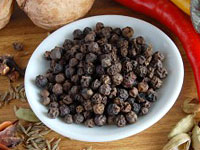
Meet Black Cumin: Yummy Spice Adds Delicate Flavor, May Treat Pancreatic Cancer

Black cumin seeds and oil are used in traditional medicine by many Middle Eastern and Asian healers for a broad array of diseases, including some immune and inflammatory disorders.


black-cumin

I’m a spice freak. It’s virtually impossible for me to pass up the chance to fritter time away in exotic markets of any ethnicity—which is why my husband will often remind me that “we’re supposed to be walking briskly, honey” when I pull him into some eye-catching, aromatic shop whose aisles are jam-packed with herbs and spices.

Once I’m inside a culinary casbah, I’m on the lookout for spices I’ve never tried before, because I love to cook and to experiment with new flavors. Recently, I came home with a little bag full of tiny seeds labeled as “black cumin.”

I know regular cumin, of course—I use it all the time in Mexican and Indian dishes. The black cumin seeds I bought didn’t look anything like the cumin I know—these obviously were from a different plant entirely.

I tasted them and liked their interesting thyme-oregano flavor—which, I discovered, was delectable when sprinkled liberally on broiled salmon filets. They also make a tasty addition to breadcrumb or panko toppings for sauteed chicken breasts or fish.

So I was intrigued when I got a press release a couple days ago from Thomas Jefferson University in Philadelphia. Researchers there have been studying black cumin (Nigella sativa) and discovered that a chemical in its oil called thymoquinone (which, by the way, is also present in the essential oil of thyme—hence the flavor similarity), is an anti-inflammatory that seems to inhibit the development of pancreatic cancer in lab studies.

Turns out, black cumin seeds and oil are used in traditional medicine by many Middle Eastern and Asian healers for a broad array of diseases, including some immune and inflammatory disorders, says Hwyda A. Arafat, MD, PhD, associate professor, departments of surgery and pathology, anatomy and cell biology at Jefferson Medical College.

The Greek physician Dioscorides supposedly used black cumin seeds to treat headaches and toothaches. One famous botanical historian, Maud Grieve, quoted Mohammed as saying that “black cumin cures every disease but death itself,” in her 1930s classic, A Modern Herbal.

Arafat and her team discovered that when they treated pancreatic tumors (developed in animals for the study) with thymoquinone, 67% of the tumors shrunk significantly, and levels of inflammatory markers in the cells dropped substantially.

What’s exciting about these results is that patients with chronic pancreatitis, which is associated with the risk of developing pancreatic cancer, might one day be able to benefit from black cumin oil treatment, says Dr. Arafat. “The herb and oil are safe when used in moderation, and have been used for thousands of years without reported toxic effects,” she says.

According to my favorite Indian cookbook author, Madhur Jaffrey, black cumin seeds (nigella) are sold as kalonji in Indian and Pakistani markets, and as siyah danch in Middle Eastern markets. She says they’re used in Bengal vegetable and fish dishes.

Try sauteing fresh spinach with ginger, hot chili, and a teaspoon of black cumin seeds, sprinkle it on fish before baking or broiling, or add a spoonful to lentils as you’re cooking them. Find black cumin seeds online at Zamouri Spices.

For more information visit: http://www.health.com/health/article/0,,20428635,00.html at health.com

Saturday, April 09, 2011

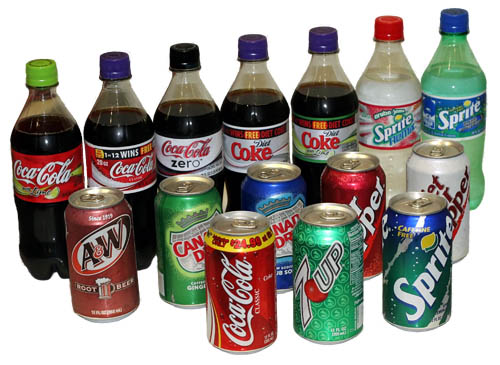
Soft Drinks Could Boost Pancreatic Cancer Risk

MONDAY, Feb. 8 (HealthDay News) — People who down two or more soft drinks a week may have double the risk of developing deadly pancreatic cancer, compared to non-soda drinkers, new research suggests.

But the overall number of people developing the malignancy remains low, with the U.S. National Cancer Institute (NCI) estimating 42,470 new cases last year.
“Soft drinks are linked with a higher risk of pancreatic cancer,” said Noel Mueller, lead author of a study appearing in the February issue of Cancer Epidemiology, Biomarkers & Prevention. “We can’t speculate too much on the mechanism because this is an observational study, but the increased risk may be working through effects of the hormone insulin.”

Still, the report should not cause undue alarm, some say.
“The study was well designed but smaller than some previous studies that did not find a link between sugar-sweetened soft drinks and pancreatic cancer,” noted Eric Jacobs, strategic director of pharmacoepidemiology at the American Cancer Society. “Direct evidence linking sugar-sweetened soft drinks to pancreatic cancer remains limited.”
And adult soda drinkers may also engage in other lifestyle habits, such as smoking, which could contribute to the elevated risk.

“It’s an interesting finding but if you look at the people who had the high soft drink intake, they also had other issues that may also predispose you to pancreatic cancer,” said Dr. Colin D. Weekes, assistant professor of medicine at the University of Colorado Denver. “It’s hard to make any true associations from this. “We could argue that smoking could be the issue here and not the soda intake.”
Although the study didn’t differentiate between regular and diet soda, it was conducted in Singapore, where most soda consumed is regular, Mueller said.

The study was a collaboration between the University of Minnesota and National University of Singapore. Mueller, formerly at Minnesota, has since joined Georgetown University Medical Center in Washington, DC, as a research associate.

The analysis involved more than 60,000 middle-aged or older Chinese Singaporeans. Researchers calculated how much juice and soda the participants drank on average and followed them for 14 years to see how many developed cancer of the pancreas.

Those who drank two or more sodas a week were 87 percent more likely to develop this kind of tumor than individuals who didn’t consume any soda.

Researchers found no link between juice consumption and cancer risk, perhaps because fruit juice has less effect than sugary sodas on glucose and insulin levels, the authors noted.

Previous research in U.S. and European populations has suggested an association between sweetened sodas and juices and pancreatic cancer. This is the first study to examine the association in an Asian population, although the authors feel the findings can be extrapolated to Western nations.

“We believe that because Singaporean adults have a lot of the same mannerisms as Western countries, which is a tendency to eat fast food and also go shopping, one could say that these findings may be generalizable to other Western countries,” said Mueller. “Genetically they are very different from Caucasians, however their lifestyle is similar to Western countries.”

The findings are biologically plausible.

Type 2 diabetes, a disorder of blood sugar levels and insulin under-activity, has also tentatively been linked to pancreatic cancer.

The researchers speculate that elevated blood sugar levels associated with soda-drinking and the associated increase in insulin levels prompt pancreatic cells to divide abnormally.

“Drinking sugar-sweetened soft drinks has been linked to weight gain, obesity and diabetes. Both obesity and diabetes are associated with higher risk of pancreatic cancer, one of the leading causes of cancer death in the United States,” Jacobs said.

The soft drink industry disputed the findings, however.

“The [study] authors are skipping several steps in trying to connect soft drinks with pancreatic cancer, including an allegation regarding an increase in insulin production,” Richard Adamson, a consultant to the American Beverage Association and former scientific director of the NCI, said in a statement.
“The fact remains that soft drinks do not cause cancer, nor do any authoritative bodies, such as NCI, name soft drinks as a risk factor for pancreatic cancer,” he added. “You can be a healthy person and enjoy soft drinks. The key to a healthy lifestyle is balance — eating a variety of foods and beverages in moderation along with getting regular physical activity,” Adamson added.

Others took a more cautious view.

“The bottom line is that limiting consumption of sugar-sweetened soft drinks can help in maintaining a healthy weight, which in turn will reduce risk of many types of cancer and other serious diseases,” Jacobs said.


More information
The U.S. National Cancer Institute has more on pancreatic cancer.
By Amanda Gardner
HealthDay Reporter


SOURCES: Colin D. Weekes, M.D., Ph.D., assistant professor of medicine, University of Colorado Denver; Noel Mueller, M.P.H., research associate, Georgetown University Medical Center, Washington, D.C.; Eric Jacobs, Ph.D., strategic director, pharmacoepidemiology, American Cancer Society; Richard Adamson, senior scientific consultant to the American Beverage Association and former scientific director and director of cancer etiology of the National Cancer Institute; February 2010 Cancer Epidemiology, Biomarkers & Prevention


Last Updated: Feb. 08, 2010
Copyright © 2010 HealthDay. All rights reserved.

See the full article at: http://news.health.com/2010/02/08/soft-drinks-could-boost-pancreatic-cancer-risk/

Thursday, April 07, 2011

Caregiverstress.com

Are you a caregiver for some diagnosed with pancreatic cancer?  Are you overwhelmed with no time for yourself? You're not alone.  There are thousands of caregivers out there all struggling with how to manage their lives while also caring for someone else.  Visit Caregiverstress.com to find tips on how to manage it all and learn how others are dealing with their circumstances.

http://www.caregiverstress.com/category/helpful-tips-for-caregivers/cfywcfo/

Wednesday, April 06, 2011

Food & Cancer: One local baker makes a drastic change for her health

We've all read articles how process foods and high fructose corn syrup may be contributors to pancreatic cancer, and pancreatic cancer aside, there have been thousands of books, articles and even movies about how our foods is impacting our health and in some cases our fertility.

Here's a local story -- a woman from Arvada diagnosed with ovarian cancer who as part of her recovery decided to take both sugar and gluten out of her diet.


I remember the day I was told that I could not have sugar or flour anymore. This would be devastating to many people, to myself it was doubly so! You see, my husband Ed Dimmer and I, Maro Dimmer, own and operate a great German bakery, called "Rheinlander" in Olde Towne Arvada, Colorado. Today when I tell people I cannot have sugar or flour, they immediately assume that I am diabetic. However, the disease I am faced with is cancer.
I was diagnosed with ovarian cancer in 2001 at age 42. The cancer was treated successfully with surgery (a full blown hysterectomy) plus an intense chemotherapy regimen for half a year (Taxol and Carboplatinum). I never questioned that chemotherapy and surgery saved my life, but in order to survive the disease a lot more is needed. I have always been a researcher, so during chemotherapy I started studying my disease. I was determined to figure out what else I could do to enhance the long-term effectiveness of the conventional cancer treatments.
My Western doctors were not really concerned about nutrition but there was plenty of information on the internet about the relationship between what you feed yourself and cancer as well as many other serious diseases. This is when I discovered what I now call the biggest irony in my life. The fact that sugar feeds cancer cells. As a matter of fact it is the preferred fuel for the anaerobic environment cancer thrives in. In my case, staying away from sugar and fast carbs (white flour, potatoes, rice, soda pop and fruit juices) was a matter of life or death. Imagine being surrounded by the most luscious European style pastries and cakes and realizing that eating them would be feeding your cancer and worsening your health.
The challenge that I accepted for myself was to see if I could become knowledgeable about nutrition and its relationship to how well we live. My husband and I made a drastic lifestyle change and I put together my antic-cancer regimen. It includes lots of salads, chicken, fish, turkey and lots of fresh green juices (no carrots or beets because of their high sugar content). Today, Ed and I are great fans of Dr. Ron Rosedale and Dr. Joe Mercola. Their optimal health programs are right on for disease prevention.
In sharing my story with many of our customers I became acutely aware that I was not alone. I realized that the anti-cancer regimen I was following is also the diabetic friendly lifestyle. Many people were in the restricted zone and they shared many of their sugarless dessert options with me. Many of these options, usually low-carb commercial power bars or mixes for cookies and brownies were not exactly palatable! That's when Ed and I set out to create desserts that tasted better than sugar and were better for you. It took two years of research, trial and error to find the best and healthiest sweetener alternatives, as well as the best and healthiest flour replacers the market has to offer. Now when our customers taste our sugarless gluten free pastries, they are thrilled! Sometimes, I dare them to tell the difference between our traditional desserts and our healthy choices.
Our Sweet Deliverance website brings you the very same healthy desserts we sell at our retail bakery "Rheinlander". My hope and mission is that people will make the switch, because as I tell my customers, it is not really a sacrifice or a compromise. It's a delicious choice that makes sense for your health and well-being. Knowledge IS power!
To learn more visit: http://www.rheinlanderbakery.com/

And for gluten free eateries in Denver ... visit CBS4's website at:

Tuesday, April 05, 2011

Who is the Lustgarten Foundation?

The Lustgarten Foundation is the nation’s largest private supporter of pancreatic cancer research. Founded in 1998, the organization was named after Cablevision executive Marc Lustgarten, who died from the disease. The Lustgarten Foundation is dedicated to advancing the scientific and medical research related to pancreatic cancer, the nation’s fourth leading cause of cancer deaths. The Lustgarten Foundation concentrates on stimulating the scientific community to conduct the research necessary to find early detection methods, better treatments and a cure for this disease. Toward this end, The Lustgarten Foundation has provided more than $22 million in support of promising pancreatic cancer research. The Foundation also provides free, accurate and up-to-date information to patients and caregivers. Learn more at www.lustgarten.org.

No Miracle for Mandi, Except for the Gift of a Short Life

An inspirational story of a young woman battling a different type of cancer with a connection to the Colorado Springs community.  While she lost her battle her good work will help others.


Everybody knew this day was coming. We’d get up and read “Mandi Schwartz, 1988-2011.”

So there was no shock when she passed away Sunday, not after what she’d been through. There is just the standard struggle to make some sense of it all.

If ever a story deserved a happy ending, it was this one. By now millions of people are at least vaguely familiar with Mandi’s tale.

She was the Yale hockey player stricken with acute myeloid leukemia.

She needed a stem-cell transplant to survive. Mandi’s brother was the first-round pick of the St. Louis Blues last summer, and the search for a donor became a rallying cry throughout the hockey community.

The drama culminated in Seattle last fall. That’s where the girl from the small Canadian prairie town of Wilcox, Saskatchewan, went for her transplant. I was fortunate enough to visit when her family gathered for a Thanksgiving celebration.

“Having a transplant is like someone sending you to hell and telling you to crawl back,” her mother, Carol, told me.

Mandi kept crawling. That was her style, even if all the attention it got her was not. Bundled in a sweats and ski cap she had become the gentle face of a grand crusade.

There were so many people writing her and praying for her and wishing for that happy ending. Being Mandi, I wondered if she worried about letting them down. Just getting through each day was stressful enough.
Mandi Schwartz, a native of Wilcox, Saskatchewan, played hockey at Yale and her fight against cancer gripped the university as well as the hockey world. (AP Photo)

“I never thought I was that popular,” she said.

It wasn’t false humility. Everybody who knew her said the same thing.

Mandi was as smart and worked as hard as anybody. But unlike so many athletes we admire these days, she never made a point of it.


She was first diagnosed with cancer in 2008, after her usual Energizer Bunny stamina deserted her on the ice. She spent 130 day in the hospital; they thought the cancer was licked.

Mandi returned to Yale. She was still too weak to play full-bore hockey, but she was the first one in the weight room. When teammates asked how she was doing, she’d immediately turn the question back on them.
That’s why they rallied around her for Round Two. The cancer returned and the only cure was a stem-cell transplant. With her Ukrainian-Russian heritage, finding the right DNA match was going to be a problem.
The Yale community embraced the challenge. Her teammates had fund-raisers and donor drives. Friends in Canada made it almost a national cause.

Two suitable blood-cord donors were eventually found. They weren’t perfect DNA matches, but they would have to do. The plan was to irradiate her old immune system out of existence, then grow a totally new one from the new cells.

The operation was Sept. 22. Then came the near-death lung infection, the bloating from 35 new pounds of water weight, the hallucinations.
She’d call for her fiance, Kaylem Prefontaine.

He’d proposed with a bouquet of balloons last year. Mandi was in intensive care at the time. Through thick and thin, they were going to stick together.

Jaden Schwartz drafted with the Blues
Prefontaine was there at Thanksgiving. He cuddled Mandi like a fragile dove as we all went to a minor league hockey game. The brothers, Jaden and Rylan, talked about how dedicated Mandi was compared to them. And they must have been pretty dedicated to be as good as they are.

Both star for Colorado College, which recently upset defending national champ Boston College in the NCAA hockey tournament. The family liked what it was seeing out of Mandi that holiday.
"You feel like she’s got life again,” said her father, Rick.

Rylan Schwartz plays for Colorado College
The big test would come in couple of weeks. A biopsy would show if cancer cells had sprung to life in Mandi’s new immune system. While they waited, Mandi found out she’d become a hero to a local girls team.
She showed up at practice with cookies and did a little coaching. Back at Yale, her teammates had adopted a 9-year-old girl who was recovering from a brain tumor.

Giana Cardonita was the team’s Minny Mandi. The real one hoped to meet her this fall. She’d started reading her old accounting textbooks, knowing she needed to get her brain back in Ivy League shape. She planned to get married this summer.

Then the biopsy results came in. The cancer had returned. Medical science was out of answers.

The family packed up and headed back to Wilcox.

“We ask for your support in prayer as we treasure our time with her at home,” her family wrote in a CaringBridge online posting.

Jaden played for Canada in the World Junior Championship. He broke his ankle, which probably cost Canada the title. When he returned home in January, he limped off the plane and put his silver medal around Mandi’s neck.

Back at Yale, the Mandi Schwartz Marrow Donor Registry Drive will go on as planned April 21. There is no explaining death so young, but things like that provide a clue.

Through the Mandi-inspired drives, almost 5,000 new names are registered as stem-cell donors. There’s no telling how many lives that might save.

Then there are the hundreds of told and untold stories, the lives she touched. Like little Giana, who was introduced as the team’s newest member at a fund-raising game last fall.

She dropped the first puck and later toured the locker room. There was a locker with her name above it and a jersey hanging inside.

A few stalls down was Mandi’s locker, with a jersey waiting for her return. That miracle never came, and it’s futile to ask why.

All I know is Mandi is finally resting in peace. And don’t worry, girl. You didn’t let anyone down.


Read more and see a video at:
http://aol.sportingnews.com/nhl/story/2011-04-04/no-miracle-for-mandi-schwartz-expect-for-the-gift-of-her-short-life?icid=maing-grid7|aim|dl12|sec1_lnk3|54274

Monday, April 04, 2011

Looking for Lustgarten Events in Neighborhood?

Looking to participate, volunteer or just generally get involved with the Lustgarten Foundation?  Visit their events page on Facebook.

http://www.facebook.com/urgentRx#!/CurePancreaticCancer?sk=events

Aspirin may lower pancreatic cancer risk

(CBS News)

American Association of Cancer Research finds people who took one aspirin a month lowered risk by 26 percent


A new study suggests aspirin can actually help reduce the risk of pancreatic cancer.
Each year, about 37,000 Americans are diagnosed with the disease, the fourth deadliest form of cancer. It kills 75 percent of patients within a year and 95 percent within five years, according to WebMD, a medical information website.

Special Section: Dr. Jennifer Ashton
Dr. Jennifer Ashton's Twitter page


The American Association of Cancer Research describes the findings -- the results of a large case-control study presented at the American Association of Cancer Research Annual Meeting 2011 - as "significant."

The study was conducted on 2,128 adults over age 55. The study divided them into two groups: those with pancreatic cancer and healthy matched controls.

"(They were) asked ... to report their use of aspirin, acetaminophen, which is Tylenol and ibuprofen, which is Motrin or Advil. And they found that those people who took at least one baby aspirin a month, had a 26 percent lower risk of developing pancreatic cancer, which is significant, and potentially very exciting."

But why aspirin?


"This study just looked at an association," Ashton said. "So it did not provide cause-and-effect or the mechanism. But there is a theory that the way that aspirin and drugs like Motrin or Advil work to reduce other types of cancer risk is by cutting the risk of inflammation. Now, interestingly in this study, they also found a slight reduction in risk amongst those healthy people who took ibuprofen, but it just wasn't statistically significant. So again, the thinking is that it cuts down on inflammation."

So should people start taking aspirin as a precaution?


Ashton said people need to understand the risks -- just like with any other drug.
"Some doctors say that, if aspirin went up for (Food and Drug Administration) approval as an over-the-counter medication today, it may not get approved so readily," she said.

Ashton warned aspirin can increase the risk of gastrointestinal bleeding, as well as stomach irritation, and can worsen asthma. Aspirin, most importantly, she said, can interact with other drugs, and especially blood thinners.


"It definitely has risks, and people should talk to their doctor about whether those are worth it," Ashton said.

Aside from studies with aspirin and other painkillers, Ashton said pancreatic cancer research does have some additional potential developments on the horizon. She said researchers are looking into doing screenings with biomarkers - your DNA's fingerprint - that may be circulating in the blood. Treatment with individualized vaccines is also being studied.


Watch the video and learn more at:
http://www.cbsnews.com/video/watch/?id=7361649n&tag=related;photovideo

Saturday, April 02, 2011

The Seven Levels of Healing

The Seven Levels of Healing program is designed for patients and families who want to combine the very best conventional medical treatments for cancer and other illnesses with an expanding array of complementary therapies and mind/body approaches to healing. The Program is based on the belief that for healing to be complete, all the dimensions of who we are as human beings -- mental, emotional, spiritual, as well as physical -- must be addressed in a meaningful and effective way.
While supporting patients to find and receive the highest quality medical care and attention to the needs of the physical body, the Program also guides patients and family members through the important and profound dimensions of the mind, heart, and spirit that can profoundly impact all aspects of the healing journey.
The Program coherently addresses seven distinct levels of inquiry and exploration that are necessary for awareness, healing, and transformation to occur at the deepest levels -- and which help patients and family members to navigate the journey as skillfully and effectively as possible.

Learn more at: http://www.geffenvisions.com/seven_levels_of_healing/index.htm.  Also available through Rocky Mountain Cancer Centers in Boulder.

Friday, April 01, 2011

Lustgarten's Spring Newsletter

Find out about the latest good works coming from the Lustgarten Foundation in their spring newsletter.  Not only does it talk about new studies that they are sponsoring but all the events going on around the country.  Here's your chance to get involved!

See it all at ... http://www.lustgarten.org/Document.Doc?id=260